


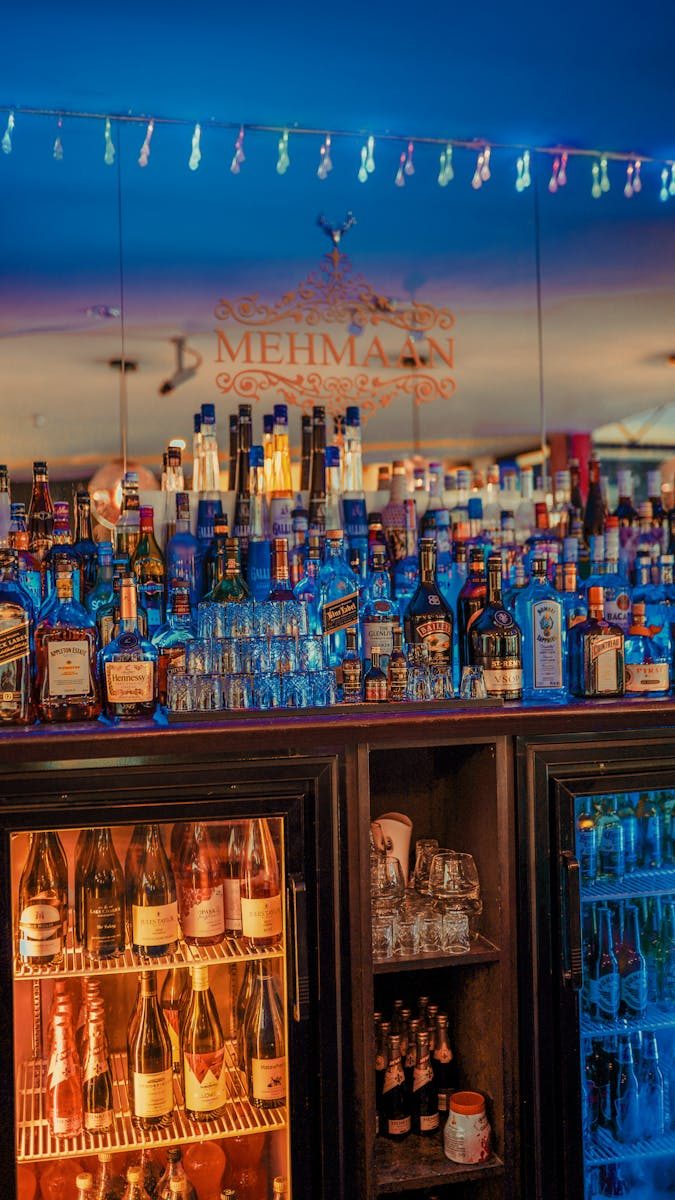
Use Case: Building a Mobilisation-Ready Advocacy Audience for the Hospitality Sector Using Mobility Intelligence
Industry associations representing pubs, hotels, and hospitality businesses often need to engage supporters quickly when key policy, regulatory, or economic issues arise.
Whether advocating for business rate reform, licensing changes, tourism initiatives, workforce policies, or industry support measures, success often depends on the ability to reach and mobilise a relevant audience at scale.
The challenge is maintaining an engaged, hospitality-affine audience before advocacy campaigns become necessary.
The Challenge
A hospitality industry association wanted to establish a compliant, continually refreshed audience of consumers with a demonstrated connection to pubs, bars, and hospitality venues.
The objective was to build a scalable advocacy audience that could be activated when important industry issues emerged, helping amplify public support and engagement.
The Solution
Using anonymised mobility intelligence, analysts created a seed audience based on real-world visitation patterns to hospitality venues.
The audience included consumers who regularly visited:
- Pubs and bars
- Hotel venues
- Gastropubs
- Hospitality and entertainment districts
- Food and beverage venues
- Tourism and leisure destinations
Additional behavioural indicators were used to refine audience quality, including:
- Frequency of venue visitation
- Long-term engagement with hospitality locations
- Geographic affinity to hospitality-heavy areas
- Seasonal and recurring visitation patterns
- Cross-visitation across multiple hospitality venue types
The resulting audience represented individuals who actively participate in and support the hospitality economy through their behaviour.
Audience Development
The seed audience was used to develop a persistent, continually refreshed pool of hospitality-affine consumers.
As visitation patterns evolved, audience membership was updated to ensure relevance and maintain engagement potential over time.
Lookalike modelling further expanded the audience by identifying consumers whose mobility patterns closely resembled those of known hospitality visitors.
Advocacy Activation
When industry issues arose, the association could activate the audience across digital channels to:
- Raise awareness of policy proposals
- Encourage petition participation
- Drive engagement with public consultations
- Promote industry campaigns
- Support local and national advocacy initiatives
- Amplify hospitality-sector messaging
Campaigns could be tailored by region, issue type, or venue category to maximise relevance and response.
Results
Compared with broad demographic targeting, the mobility-derived audience enabled:
- More relevant supporter engagement
- Greater campaign reach within hospitality-interested communities
- Improved participation rates
- Faster mobilisation during advocacy campaigns
- More efficient use of media budgets
Why Mobility Data Works
Advocacy is most effective when messages reach people with a genuine connection to the issue.
Rather than relying on broad demographic assumptions, mobility intelligence identifies consumers based on demonstrated behaviour and engagement with hospitality venues.
By building a compliant, privacy-conscious seed audience from real-world visitation patterns, associations can maintain an always-on supporter base that is ready to engage when industry challenges or opportunities emerge.
The result is stronger advocacy, faster mobilisation, and a more effective voice for the hospitality sector.